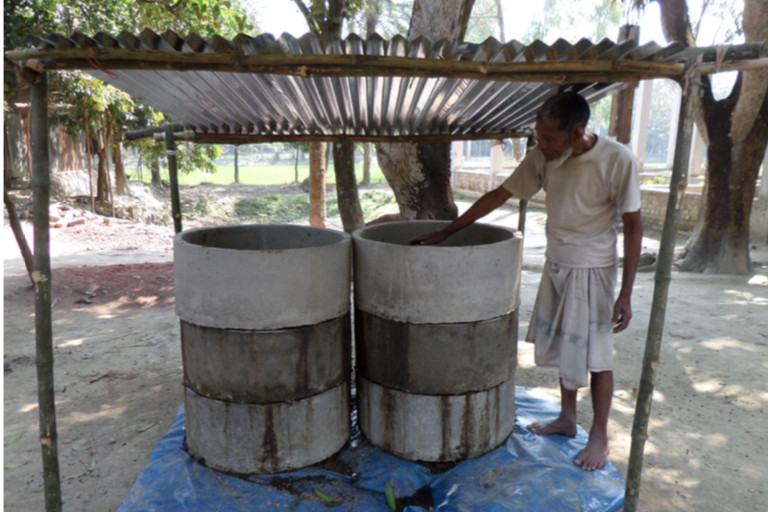
Neem for Sustainable Pest Management and Environmental Conservation
Available Languages:
Available Languages:
Dated: June 2015
Author: Ramesh C. Saxena
An issue of ECHO Asia Notes featuring the article 'Neem for Sustainable Pest Management and Environmental Conservation' by Ramesh C. Saxena, Ph.D., Chairman, Neem Foundation. Discusses the potential benefits of using neem (Azadirachta indica) products for integrated pest and vector management.
Abstract
To be sustainable, agricultural processes, including pest and vector management must be efficient (effective and economically rewarding), ecologically sound (for long term stability), equitable (in providing social justice), and ethical (in respecting both future generations and other species). Basic and applied research conducted over the past three decades have shown that the use of natural and enriched neem (Azadirachta indica) products can provide a key component in ensuring sustainable integrated pest and vector management. The formidable array of more than 100 bioactive compounds in the neem tree makes it a unique plant with potential applications in pest and vector management. Unlike toxic synthetic insecticides, neem materials do not kill the pest, but incapacitate or neutralize it via cumulative behavioral, physiological, and cytological effects. In spite of high selectivity, neem materials affect more than 500 species of insect pests, phytophagous mites, mites, and ticks affecting man and animals, parasitic protozoans, noxious mollusks, plant parasitic nematodes, pathogenic fungi, and harmful bacteria and fungi. Results of large-scale field trials have illustrated the value of neem-based pest management for enhancing crop productivity. Neem is useful as windbreaks and in areas of low rainfall and high wind speed, it can protect crops from desiccation. Neem trees are being planted on a large scale in southern China and Brazil. Neem has also been grown in Australia, in many countries in Africa, Latin America, Caribbean islands, etc. Neem has much to offer in solving agricultural and public health problems, especially in rural areas. Increased awareness of the potential of neem tree by creating awareness of its potential would go a long way in promoting its acceptance for pest management and improvement of plant health, animal health, human health, and environmental health.
The individual components of the trove are listed below. Click on one to download the file or go to the external url. You can download the full trove below as a .zip file.
https://www.echocommunity.org/resources/8070b929-59de-4c4c-893d-b5cd97542a41
https://www.echocommunity.org/resources/8070b929-59de-4c4c-893d-b5cd97542a41
Video
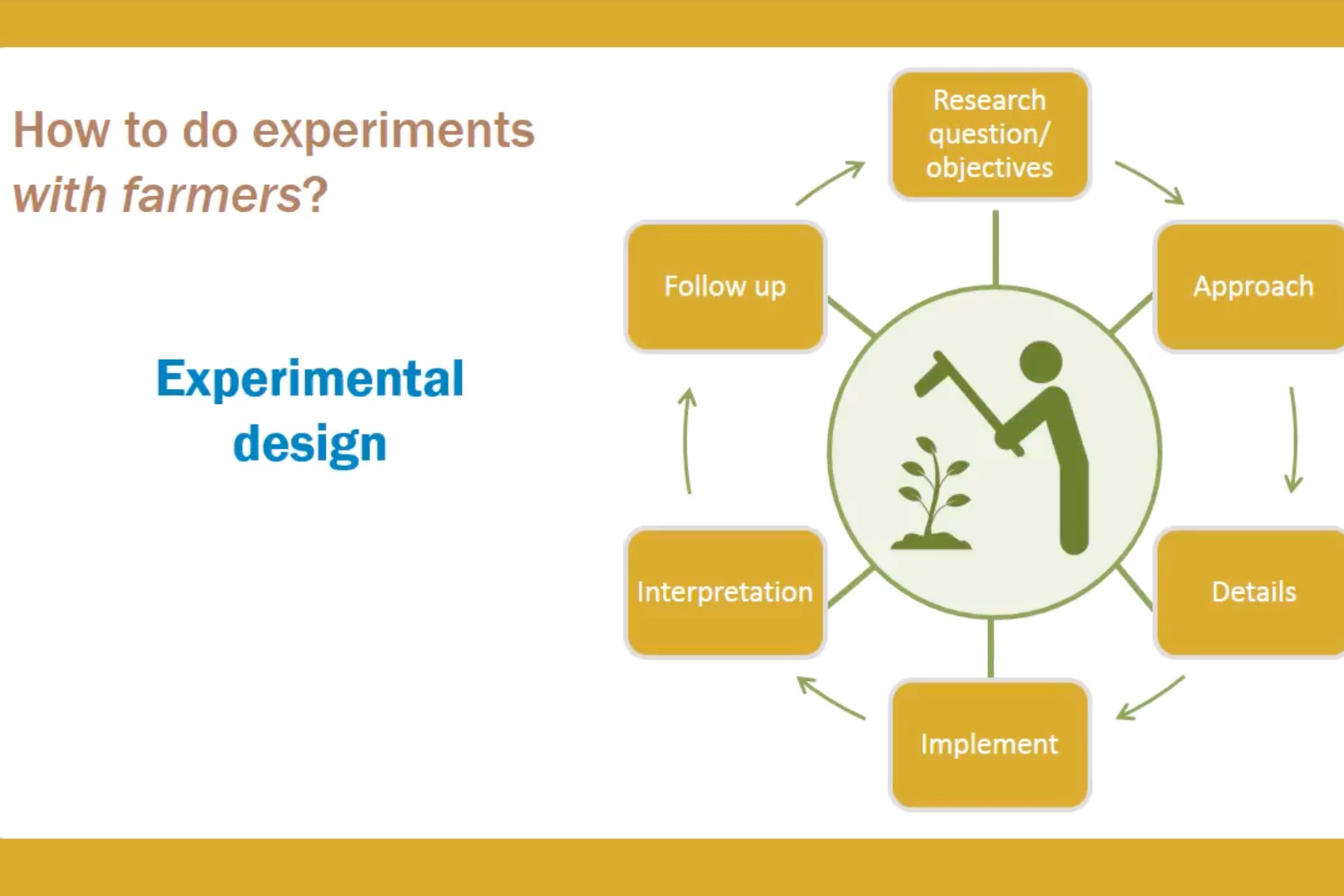
Experiments with Farmers I - "Why?"
This video introduces the idea of Experiments with Farmers and explores five reasons to involve farmers in you...
Video
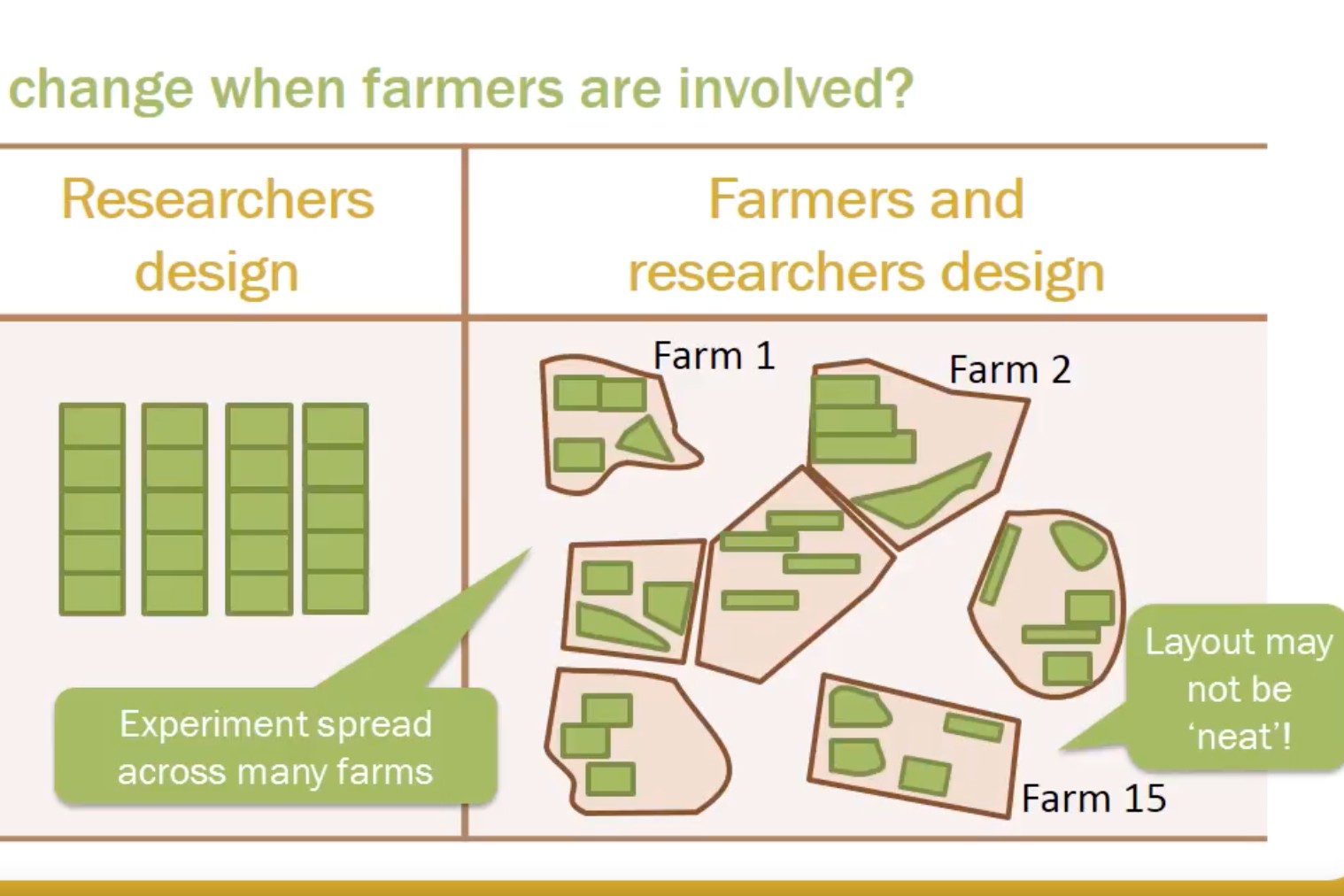
Experiments with Farmers II - What happens to designs?
This video explores the details of the way in which experiments with farmers could be designed, using a variet...
Video
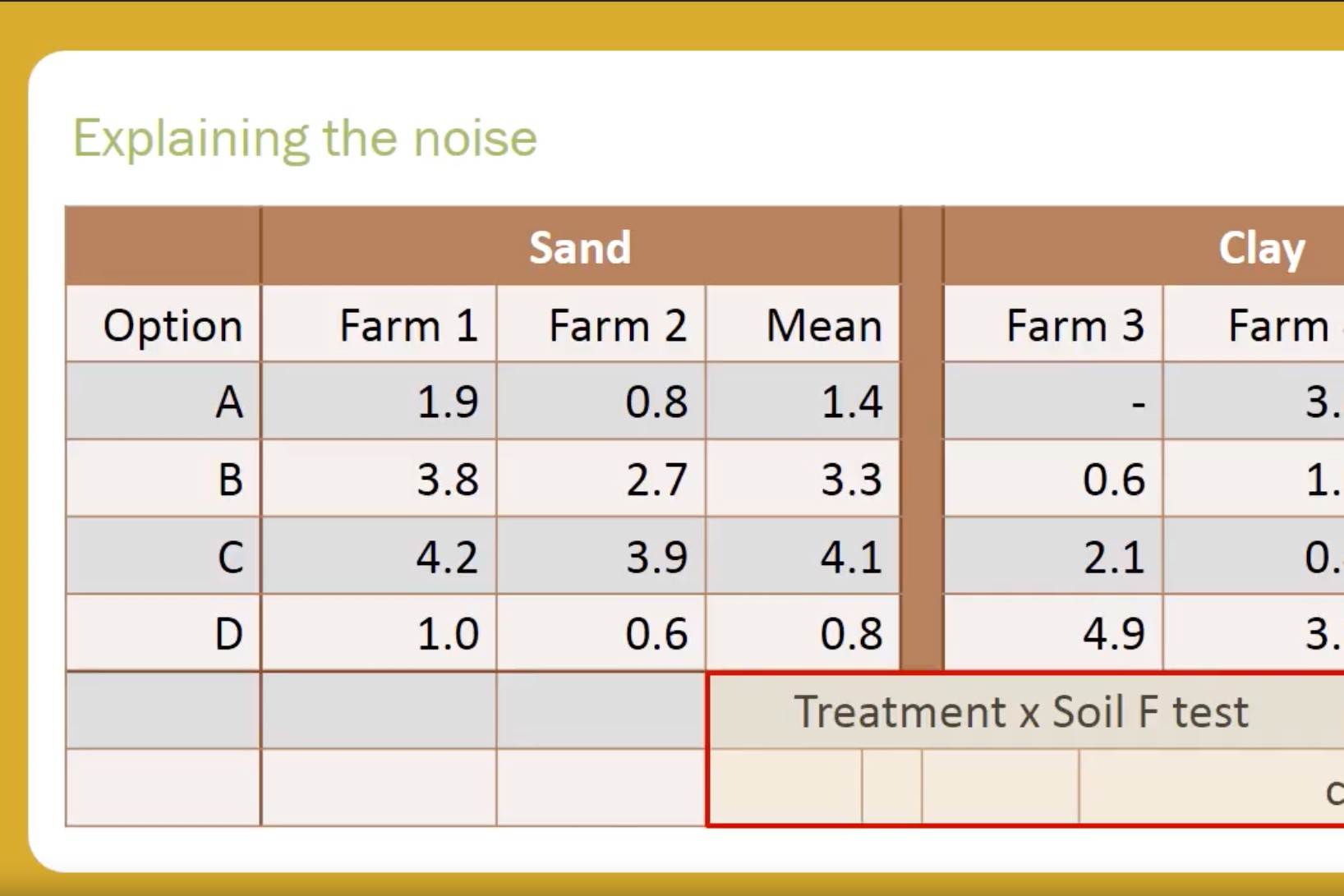
Experiments with Farmers III - "From noise to information"
This video gives some examples of how to look at data from on-farm trials in a slightly different way, enablin...
Video
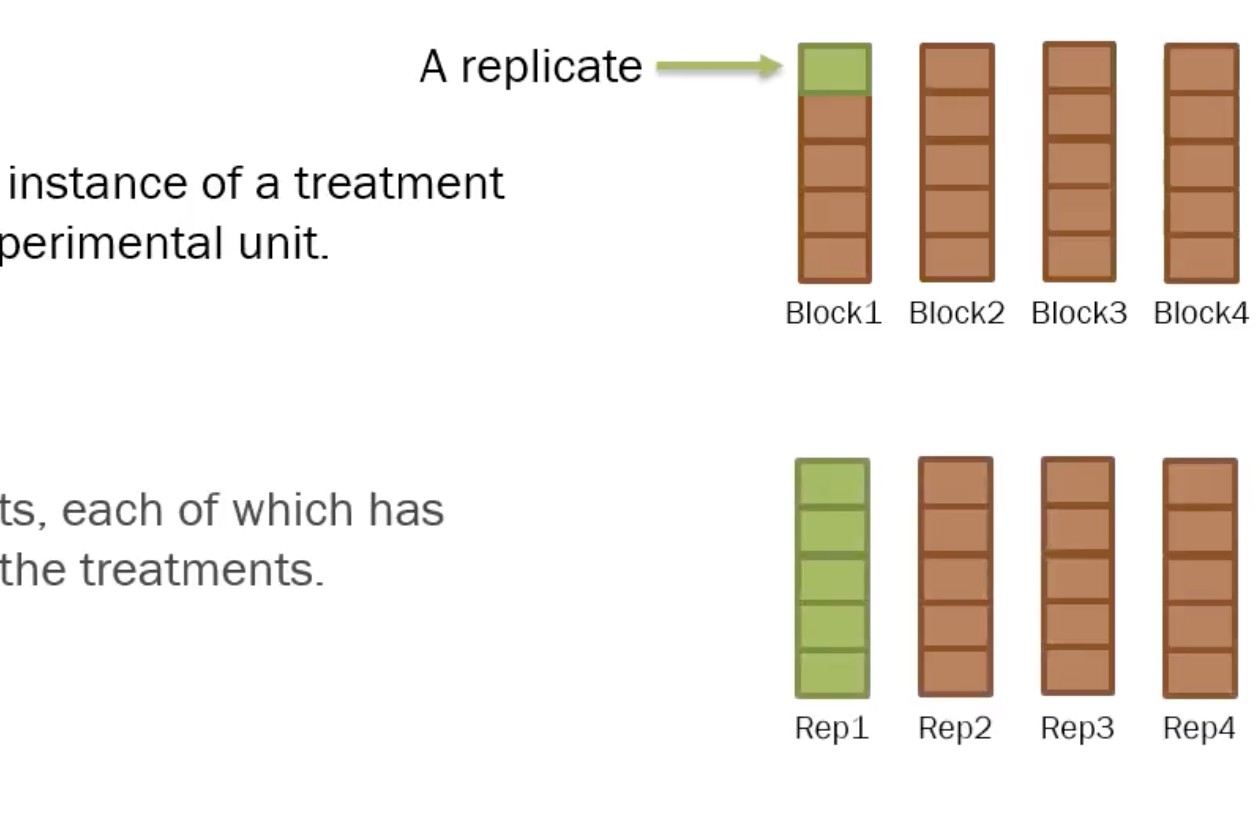
Experiments with Farmers IV - "Farmers are not replicates!"
Replication is often a point of confusion for researchers. Often, researchers conducting on-farm trials will s...
Video
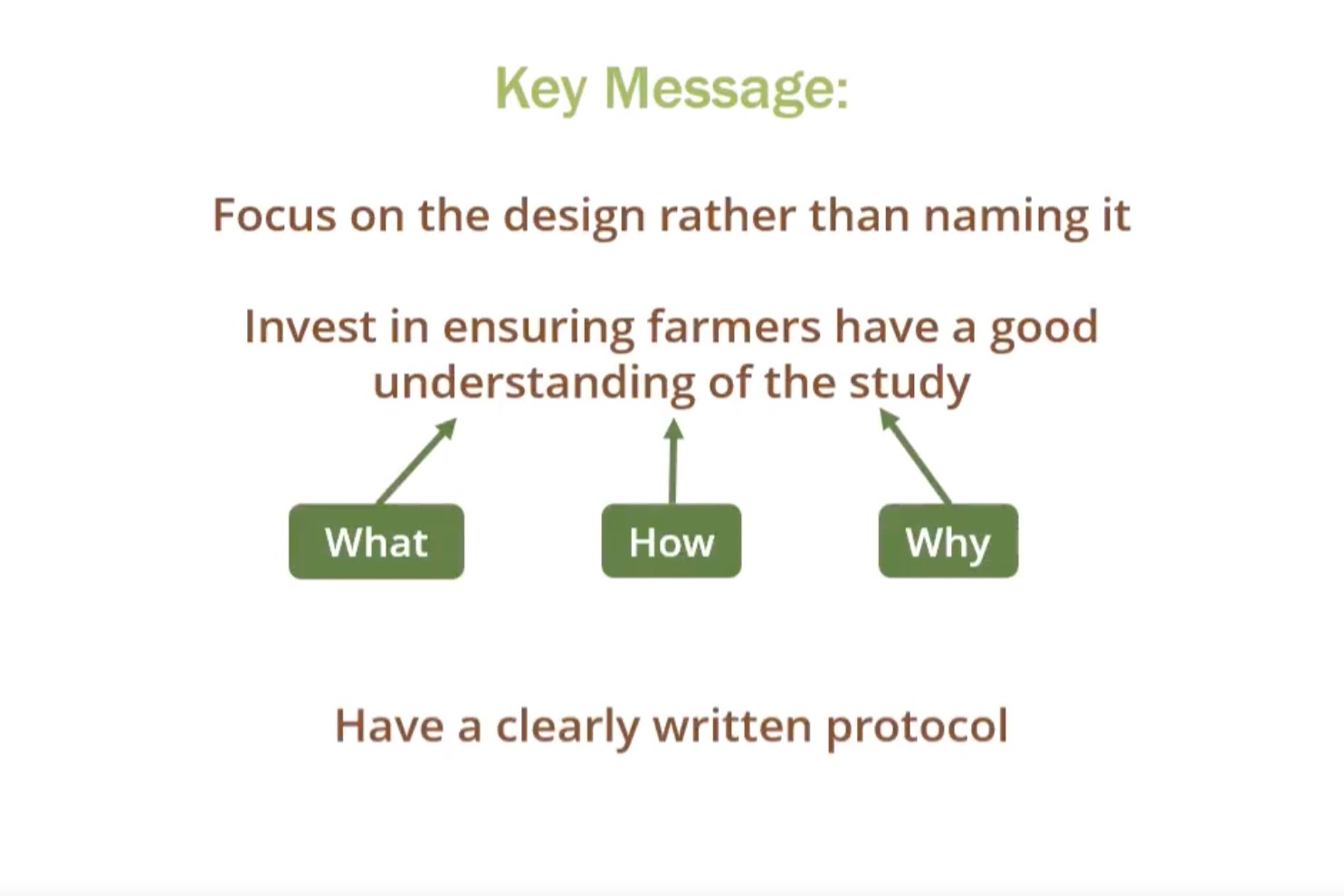
Experiments with Farmers V - "Communicating the design"
Communication is vital when conducting experiments with farmers. This video discusses some of the issues of ho...
Webinar
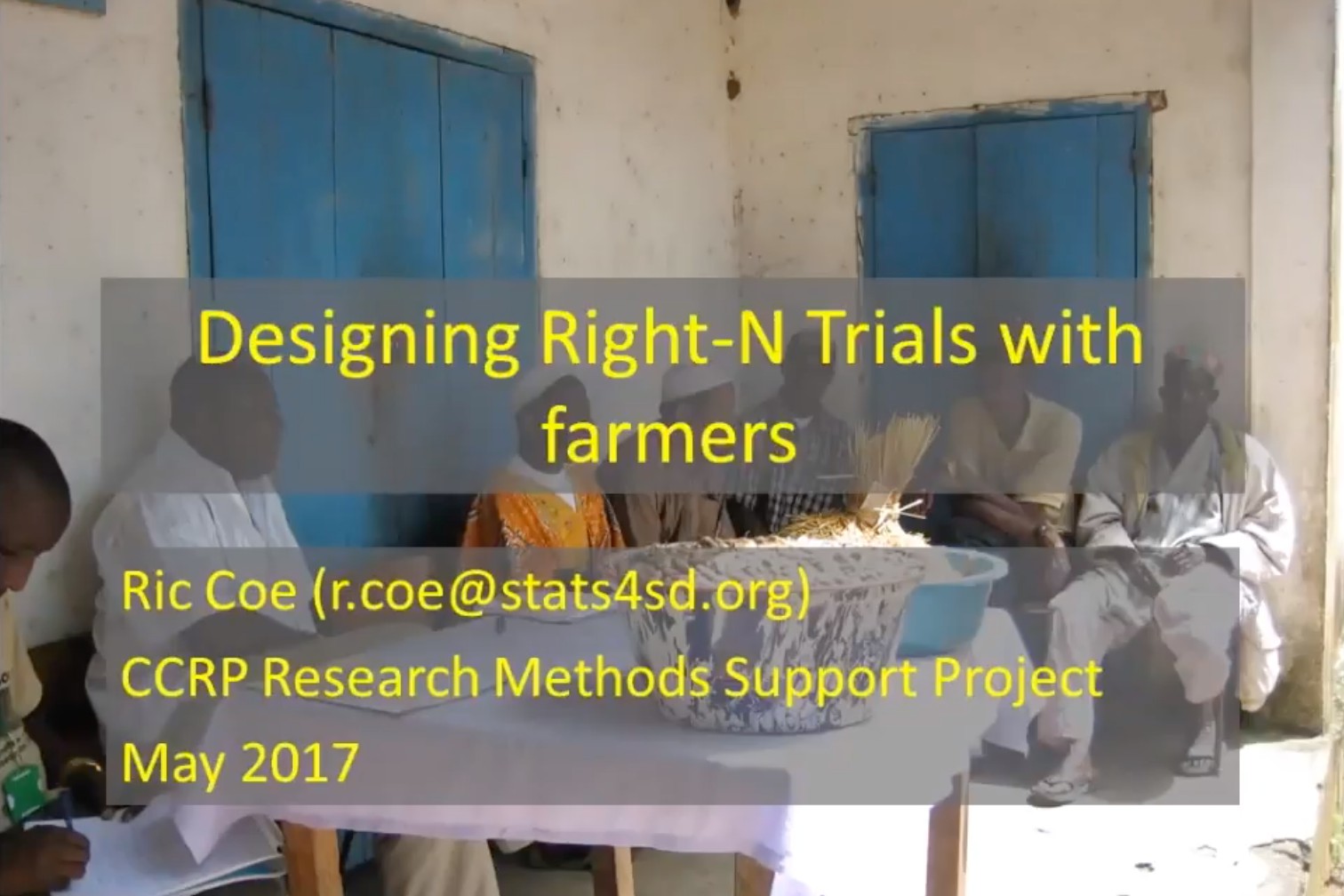
Designing Right-N Trials with Farmers - Week 1: "The Objectives"
This webinar was given to a group of CCRP West Africa Grantees as part of the Research Methods Support Project...
Webinar
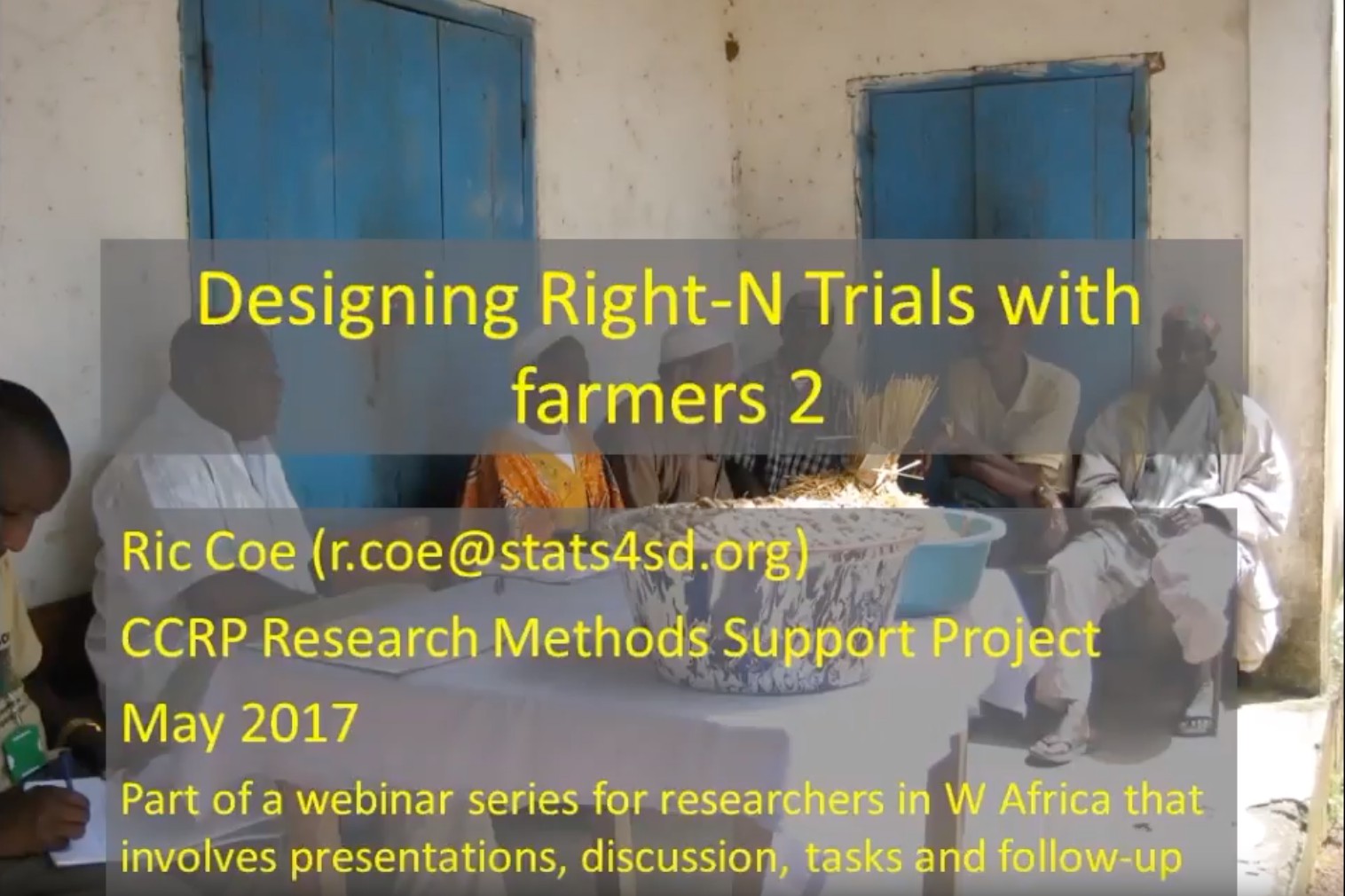
Designing Right-N Trials with Farmers - Week 2: "Design Details"
This webinar was given to a group of CCRP West Africa Grantees as part of the Research Methods Support Project...
Webinar
Designing Right-N Trials with Farmers - Week 3: "Measurements"
This webinar was given to a group of CCRP West Africa Grantees as part of the Research Methods Support Project...
Webinar
Designing Right-N Trials with Farmers - Week 4: "Implementation"
This webinar was given to a group of CCRP West Africa Grantees as part of the Research Methods Support Project...